Smart Service Robots for Railway Stations
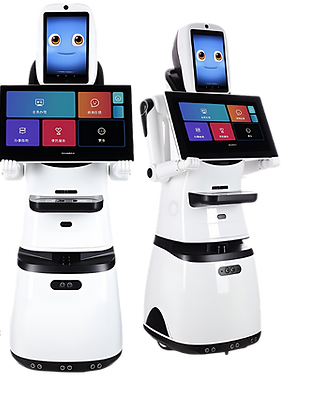
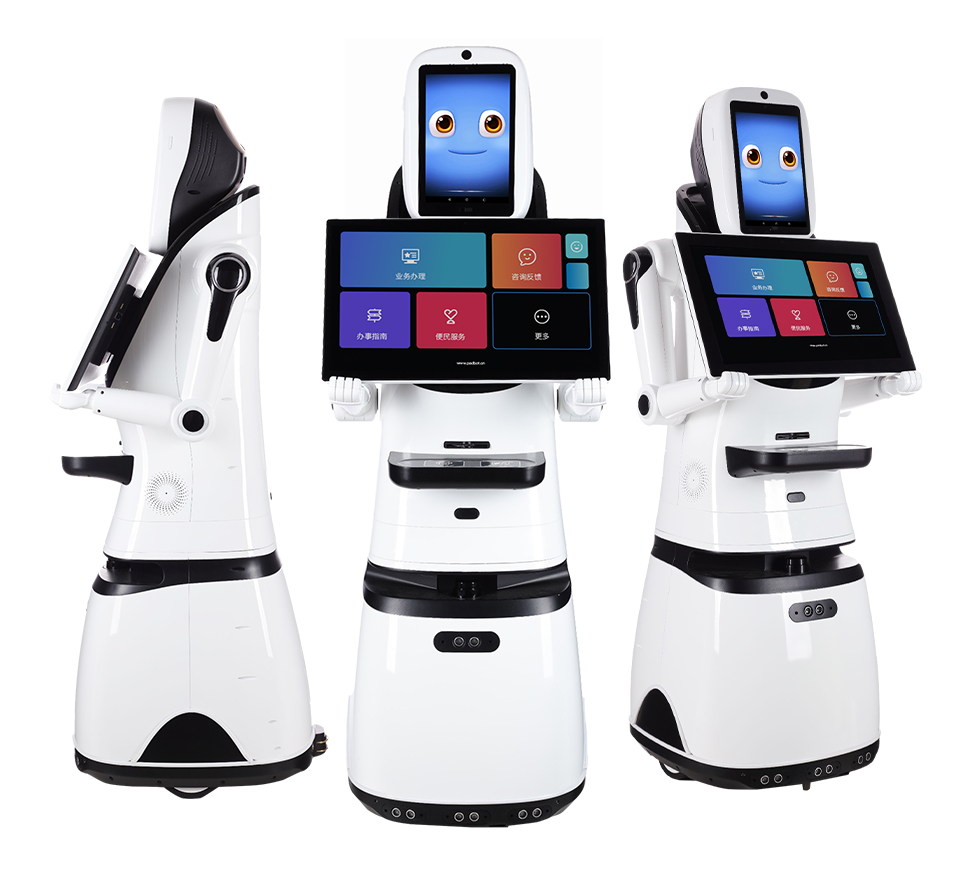
In the busy environment of railway stations, where passengers demand timely information and efficient service, the introduction of a smart service robot marks a significant step towards the modernization of passenger assistance. This robot, similar to its counterpart in shopping malls, is programmed to specifically meet the needs of travelers, providing a seamless and interactive experience.
Advantages of robots
Robots for railway and bus stations

Revolutionizing Passenger Assistance

Interactive Advertising and Information Dissemination

Navigation and Convenience

Improving Passenger Experience and Operational Efficiency

Increasing Security at Railway Stations
In addition to its core functions of providing information and advertising, the smart service robot also plays a key role in improving safety at railway stations. Equipped with advanced camera systems and facial recognition capabilities, the robot can identify blacklisted individuals or those who pose a potential threat. This feature allows the robot to act as part of a security system, providing an additional layer of surveillance.

Robo Policing
If the robot identifies a person from the blacklist, it can discreetly notify the station’s security, which enables a quick and efficient response to possible security challenges. This technological innovation not only improves the efficiency of security procedures but also increases the sense of security among passengers, making railway stations safer places for everyone.
A smart service robot at train stations is not just a technological marvel; it is an advanced solution to the challenges of modern transportation. By offering real-time information, interactive advertising and personalized passenger assistance, it not only improves the efficiency of operations at railway stations, but also transforms the way passengers interact with transport hubs. As railway stations continue to evolve, such innovative solutions will be key in shaping the future of travel.