
Autonomous robots for disinfection
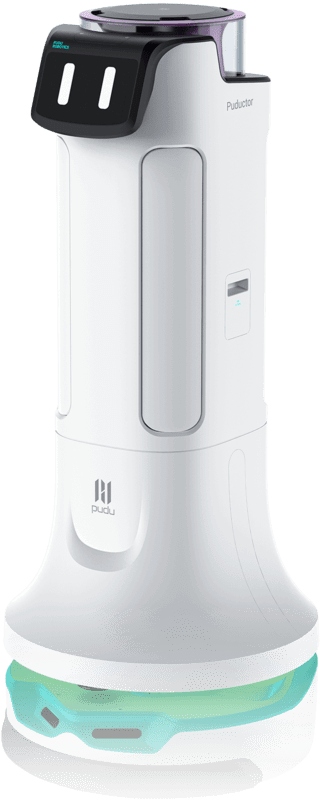
In light of global health challenges, maintaining high standards of hygiene and sanitation has become more important than ever, especially in high-traffic environments and in sensitive spaces such as hospitals, offices and public places. At the forefront of this battle for cleanliness is an innovative solution: autonomous disinfection robots with self-navigation. These advanced machines combine the latest navigation technology with effective sanitation methods, offering a promising way to maintain hygienic conditions efficiently and effectively.
The technology behind autonomous navigation
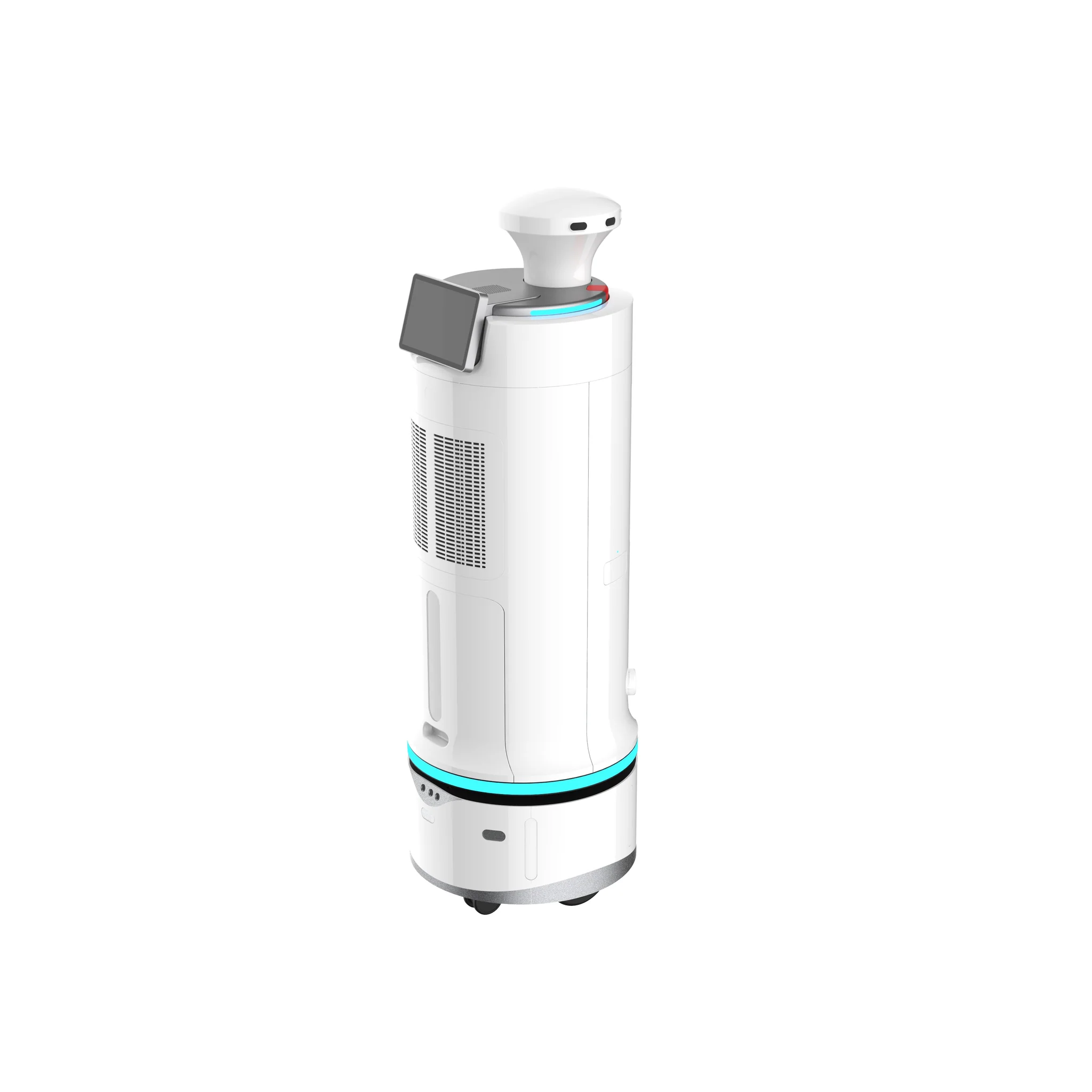
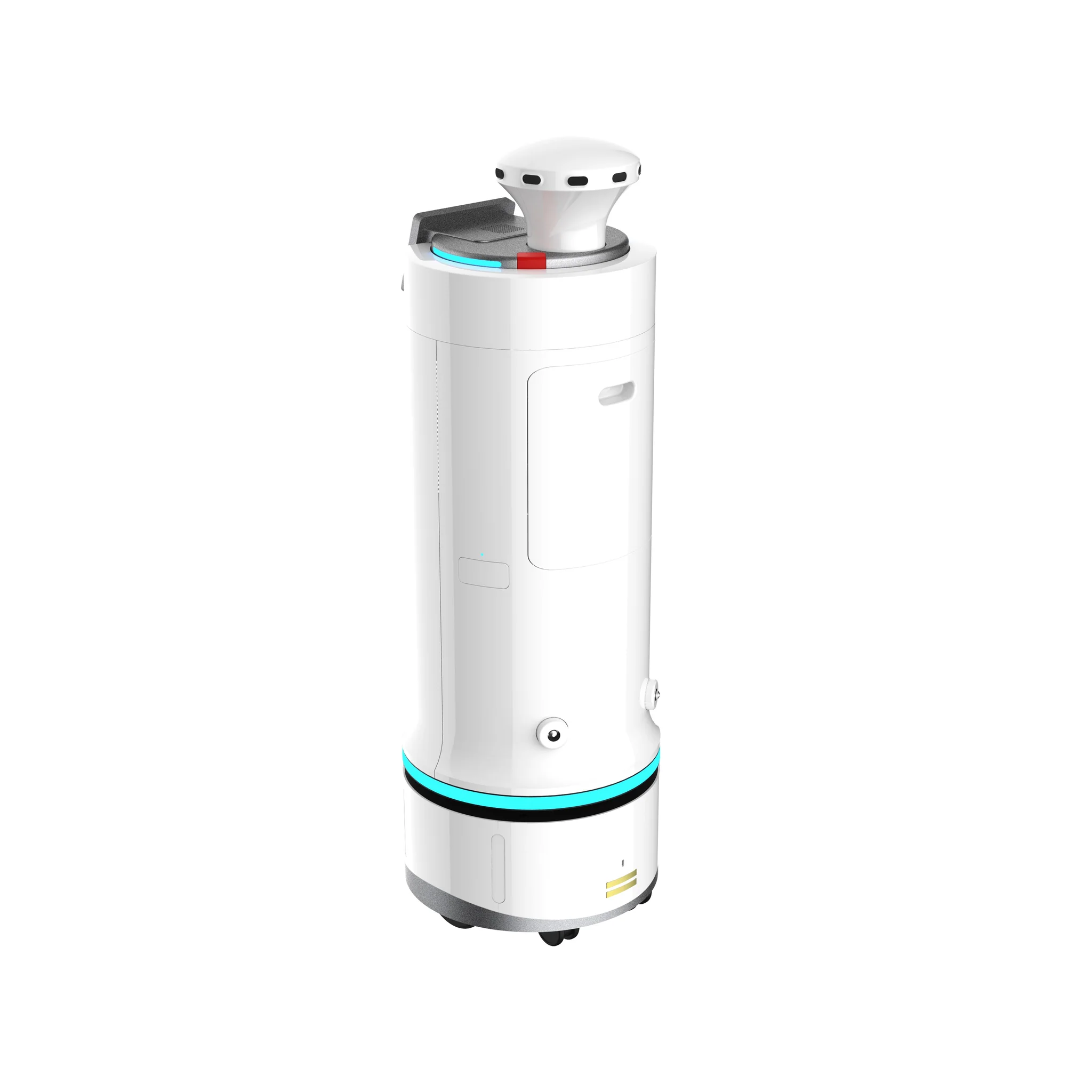
Autonomous disinfection robots are a marvel of modern technology. They are equipped with a range of sensors, including LiDAR, infrared and ultrasonic sensors, which help them map and understand their environment in real time. This data, processed through sophisticated AI algorithms, allows the robots to move autonomously through complex and dynamic environments, avoiding obstacles and people while performing their disinfection tasks. The integration of the GPS system further improves their navigation capabilities, especially in large and open spaces.
Application in different sectors
The versatility of autonomous disinfection robots enables their application in various sectors. In healthcare facilities, they play a key role in maintaining sterile conditions, which is essential for patient safety. Their use in public places, such as airports and shopping malls, helps to manage the hygiene of areas with a high flow of the public. Offices also benefit, as these robots can disinfect workspaces outside of regular business hours, ensuring minimal disruption and maximum cleanliness.
Disinfection mechanisms used
The primary goal of these robots is to effectively disinfect and clean surfaces. To achieve this, they are often equipped with UV-C light technology, known for its ability to kill bacteria and viruses, including hard-to-eliminate pathogens. Some models also use liquid disinfectants, which are sprayed in a fine mist to evenly cover surfaces. These methods ensure a high level of cleanliness, significantly contributing to reducing the spread of infectious diseases.

Challenges and future development
Despite their advantages, these robots face challenges ranging from technical limitations, such as battery life and navigating highly tangled spaces, to regulatory and ethical issues related to privacy and job replacement. Future developments are likely to focus on improving efficiency, expanding capabilities to encompass more complex tasks, and integrating more closely with human environments. As technology advances, we can expect these robots to become an even more integral part of our efforts to maintain cleanliness and public health.
Conclusion
Autonomous disinfection robots with self-navigation represent a significant step forward in our continuous quest to maintain high standards of hygiene and public health. Combining advanced navigation technologies with effective sanitation methods, these robots not only ensure a cleaner environment but also herald a new era in automating routine but crucial tasks. As they evolve, their influence is poised to grow, making them an indispensable tool in our collective effort to promote a healthier, safer world.

